


In the production of pineapple juice, pasteurization is a widely used sterilization method. It inactivates microorganisms through moderate heating, extending the shelf life of the pineapple juice while preserving its natural flavor and nutrients as much as possible. However, does pasteurization destroy bromelain in pineapple juice?
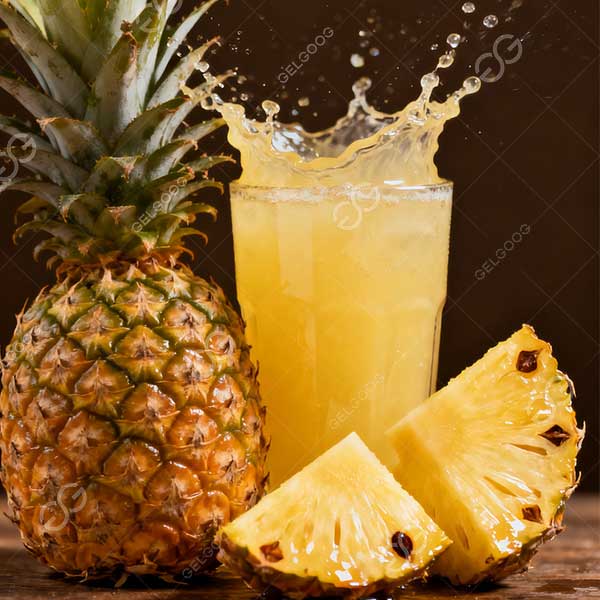
What is the purpose of pasteurization?
Pasteurization is a mild heat treatment, and its core objectives include:
1. Inactivating harmful microorganisms
Pasteurization, commonly using a temperature range of 72–95℃, effectively kills pathogenic bacteria and most spoilage bacteria in fruit juice, ensuring food safety.
2. Inhibiting enzyme activity and extending shelf life
Naturally occurring enzymes in fruit juice, such as oxidases and browning enzymes, can lead to darkening of color and deterioration of flavor. Pasteurization inactivates these enzymes, improving the stability of the finished product.
3.Preserving the flavor and nutrients of fruit juice
Compared to ultra-high temperature (UHT) sterilization, pasteurization uses lower temperatures and shorter processing times, better preserving the natural flavor and most of the nutrients of fruit juice. Therefore, it is widely used in the fruit juice industry.
Does pasteurization destroy bromelain in pineapple juice?
Yes. Pasteurization causes significant or complete inactivation of bromelain because bromelain is very sensitive to temperature.
Why does pasteurization destroy bromelain?
Bromelain is a heat-sensitive protein enzyme, and it is itself a protein structure. These types of enzymes are generally heat-unstable.
Experiments show that:
Significant inactivation begins at temperatures exceeding 50–60°C.
At temperatures above 70°C, complete inactivation generally occurs.
Under sustained high temperatures (e.g., pasteurization range of 72–95°C), it is difficult to retain activity.
This is because its activity depends on the spatial structure of the protein, and high temperatures destroy this structure, causing the enzyme to lose its activity.
Therefore, if the production of pineapple juice requires preserving the activity of bromelain, standard pasteurization cannot be used, and cold sterilization techniques such as sterile filtration or high-pressure processing (HPP) must be employed.