


Fried peanuts are a very popular snack food, but how are they produced? The processing of fried peanuts typically involves a standardized, continuous production line, which is not only highly efficient but also ensures more consistent product quality. Below, we will introduce the main processing steps for fried peanuts:
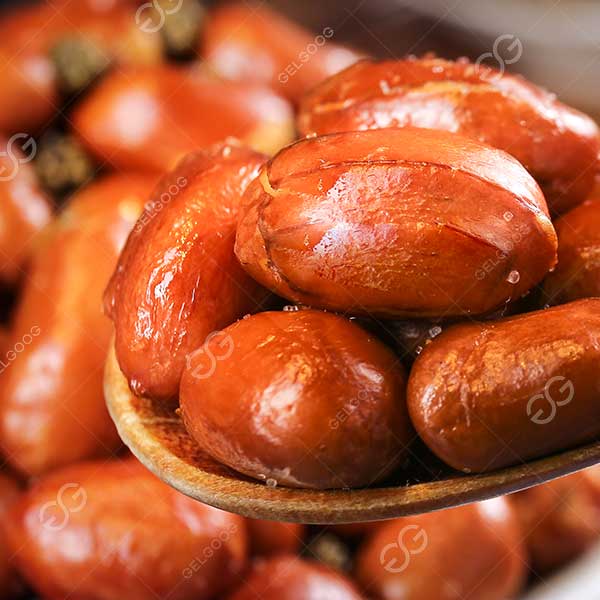
The main production process for fried peanuts:
Peanut shelling → (sorting/washing) → frying → de-oiling → seasoning → cooling and packaging
1. Peanut Shelling
The raw material is usually peanuts in their shells. Shelling is the first step in processing, and its purpose is to remove the outer shell to obtain whole peanut kernels. High-quality raw materials are the foundation for producing high-quality fried peanuts.
2. Raw Material Selection and Cleaning
Before the frying process, some factories add washing or air sorting steps to further remove dust and other impurities, improving product safety and finished product appearance.
Frying is a crucial step in determining the texture and flavor of peanuts. The oil temperature is generally controlled between 150–180℃. During frying, the moisture inside the peanuts evaporates rapidly, creating a crispy texture and releasing a unique aroma.
4. Oil Removal
After frying, peanuts have a significant amount of oil on their surface. Using an oil removal machine can effectively reduce the surface oil content, improving the texture and making the peanuts lighter and crispier.
5. Seasoning
According to market demand, fried peanuts can be made in various flavors, such as original, salty, and spicy.
6. Cooling and Packaging
After seasoning, the peanuts need to be cooled to room temperature, either naturally or through forced cooling, before entering the automatic packaging process.
Precautions for Producing Fried Peanuts:
To ensure the quality, safety, and consistent production of fried peanuts, the following aspects require special attention during processing.
1. Oil Temperature and Quality Management
Excessively high oil temperature can easily cause the peanuts to burn.
Conversely, excessively low oil temperature will result in excessive oil absorption.
Regularly filter out oil residue and replace the cooking oil when necessary to prevent oil degradation.
2. Uniformity and adhesion of seasonings
Strict control of the seasoning ratio is crucial to prevent uneven seasoning and inconsistent taste in the fried peanuts.